The Lobster, directed by Yorgos Lanthimos, is a dystopian black comedy that explores the absurdity of societal pressures surrounding love and relationships. Set in a bizarre near-future, the film presents a world where single people are taken to a hotel and given 45 days to find a romantic partner. If they fail, they are transformed into an animal of their choice. The protagonist, David (played by Colin Farrell), arrives at the hotel after being left by his wife and declares that he wants to become a lobster if he cannot find a mate.
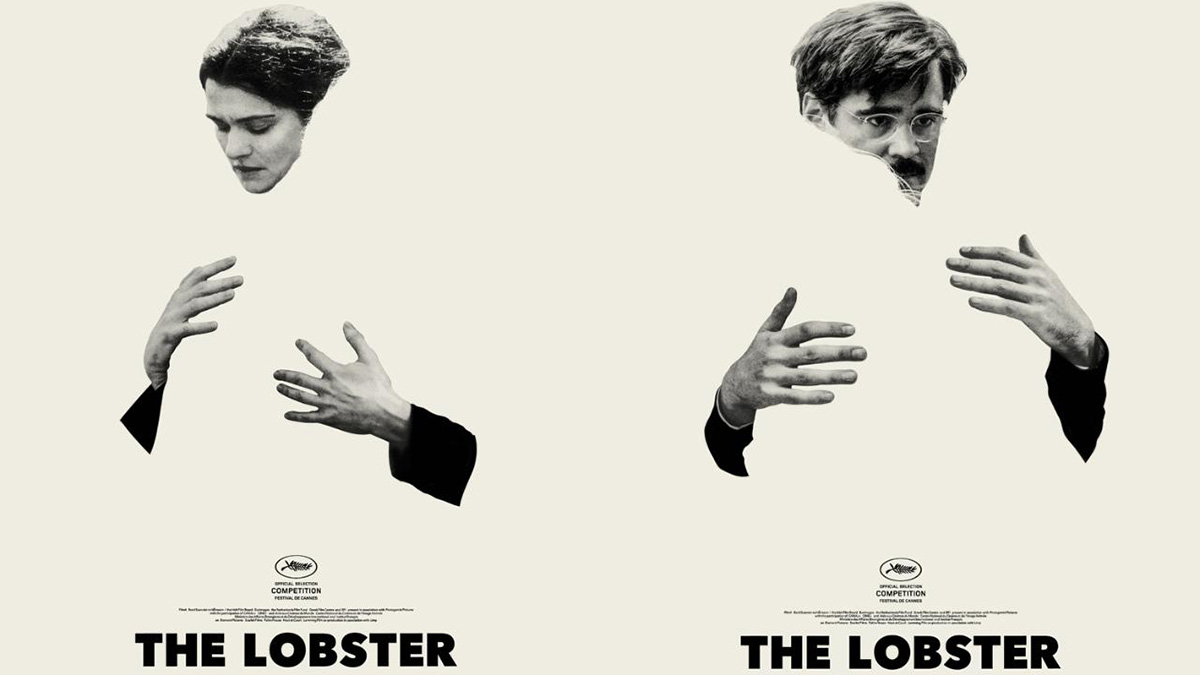
At the hotel, guests engage in awkward rituals and forced interactions to secure a partner, often faking compatibility. David befriends two other men — one with a limp and the other with a lisp — as they navigate the oppressive rules of the institution. Desperate, David attempts to match with a heartless woman, but the relationship ends violently.
He eventually escapes to the woods, where he joins a group of rebels called the Loners, who reject romantic relationships entirely. Ironically, in this rigidly anti-romantic society, David falls in love with a short-sighted woman (Rachel Weisz), breaking the group’s rules. Their secret relationship blossoms, but is threatened when the Loner leader (Léa Seydoux) blinds the woman out of jealousy or control.

In the haunting final scene, David takes the woman to a restaurant and considers blinding himself to remain “compatible” with her. The film ends ambiguously, leaving viewers to question whether he goes through with it.
Blending deadpan humor with unsettling themes, The Lobster critiques the extremes of both romantic idealism and isolationist individualism. Through its surreal, stylized world, it explores how human connection, identity, and societal norms intersect — often in contradictory and painful ways