The Hotel New Hampshire (1984), adapted from John Irving’s novel and directed by Tony Richardson, is a strange, whimsical, and emotionally volatile tale that fuses absurdist humor with deep tragedy. It follows the eccentric Berry family through a series of bizarre misadventures, including running multiple hotels, traveling from New England to Vienna, and grappling with loss, trauma, and enduring love.
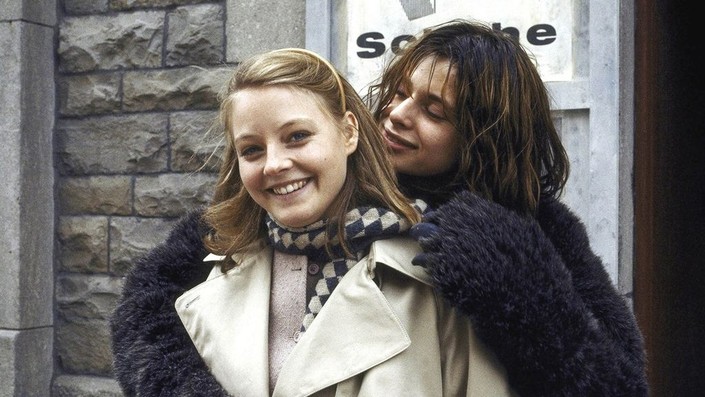
At the heart of the film is the bond among the Berry siblings, especially John (Rob Lowe) and Franny (Jodie Foster), whose relationship pushes emotional and societal boundaries. Their parents, played with quirky optimism by Beau Bridges and Lisa Banes, encourage a life of bold choices and romantic imagination, even as the world continuously threatens to undo their idealism.
The film’s tone is unpredictable—careening from farce to heartbreak with little warning. There are bear suits, a radical bomb plot, and the family dog gets taxidermied—but these absurdities coexist with moments of genuine emotional depth, especially around grief, sexual trauma, and unconventional love. Jodie Foster delivers a nuanced performance that balances resilience and fragility, while Rob Lowe surprises with quiet sincerity.
The Hotel New Hampshire is not for everyone. Its tonal shifts and eccentric storytelling can feel disjointed, and some plotlines are unsettling. But for those attuned to its offbeat rhythm, it becomes a tender, darkly comic meditation on family loyalty, survival, and the power of imagination. It asks us to believe in “keeping passing the open windows”—the family’s mantra for resilience, even when life feels unlivable.
Unapologetically weird and emotionally daring, The Hotel New Hampshire is a cult oddity that, like Irving’s prose, finds unexpected beauty in life’s grotesque and the hope hiding within absurdity

