The Correspondence, directed by Giuseppe Tornatore, is a romantic drama that delves into themes of love, loss, memory, and emotional connection beyond death. The film stars Jeremy Irons as Professor Ed Phoerum and Olga Kurylenko as Amy Ryan, a young astrophysics student and professional stuntwoman.

Amy and Ed are deeply in love, though their relationship is kept secret due to Ed’s marriage and professional reputation. They communicate mostly through emails, video messages, and texts, as their time together is limited. One day, Amy receives a package from Ed with instructions for a meeting—but when she arrives, she learns Ed has died.
Confused and heartbroken, Amy continues to receive messages from Ed, as if he were still alive. It is soon revealed that Ed, knowing he was terminally ill, meticulously prepared a series of posthumous messages and tasks for Amy. These are designed not only to help her deal with his death but also to encourage her personal growth and healing.
As Amy follows Ed’s trail of messages, she revisits memories of her childhood, confronts long-suppressed guilt about her father’s death, and gradually reconnects with her own sense of identity and purpose. The correspondence continues to guide her emotionally, blurring the line between reality and the spiritual presence of Ed.
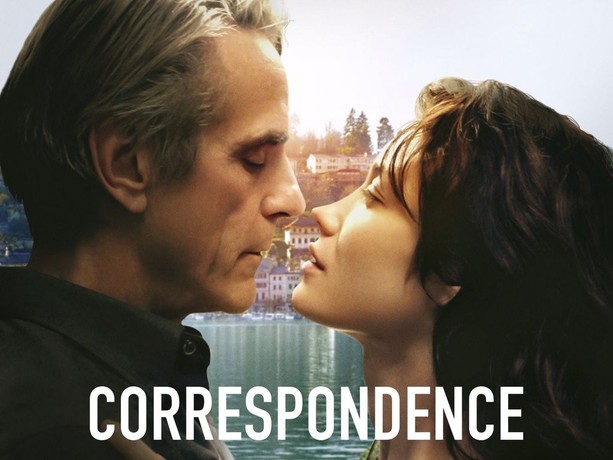
The film unfolds slowly and meditatively, accompanied by Ennio Morricone’s hauntingly beautiful score. It explores the persistence of love beyond death and the idea that letting go doesn’t mean forgetting. Though some critics found it overly sentimental, The Correspondence offers a poignant portrayal of grief and the healing power of love and memory.
Ultimately, the film is less about romance and more about emotional closure, self-discovery, and the enduring imprint of those we have loved and lost
