Mamma Roma (1962), directed by Pier Paolo Pasolini, is a haunting, neorealist drama anchored by a towering performance from Anna Magnani. It tells the story of Mamma Roma, a middle-aged Roman prostitute who dreams of a better life. When she reunites with her teenage son, Ettore, whom she had previously left in the countryside, she attempts to leave her past behind and build a respectable future.
Pasolini paints a stark portrait of postwar Italy, where poverty, moral decay, and social barriers thwart even the most determined hopes.
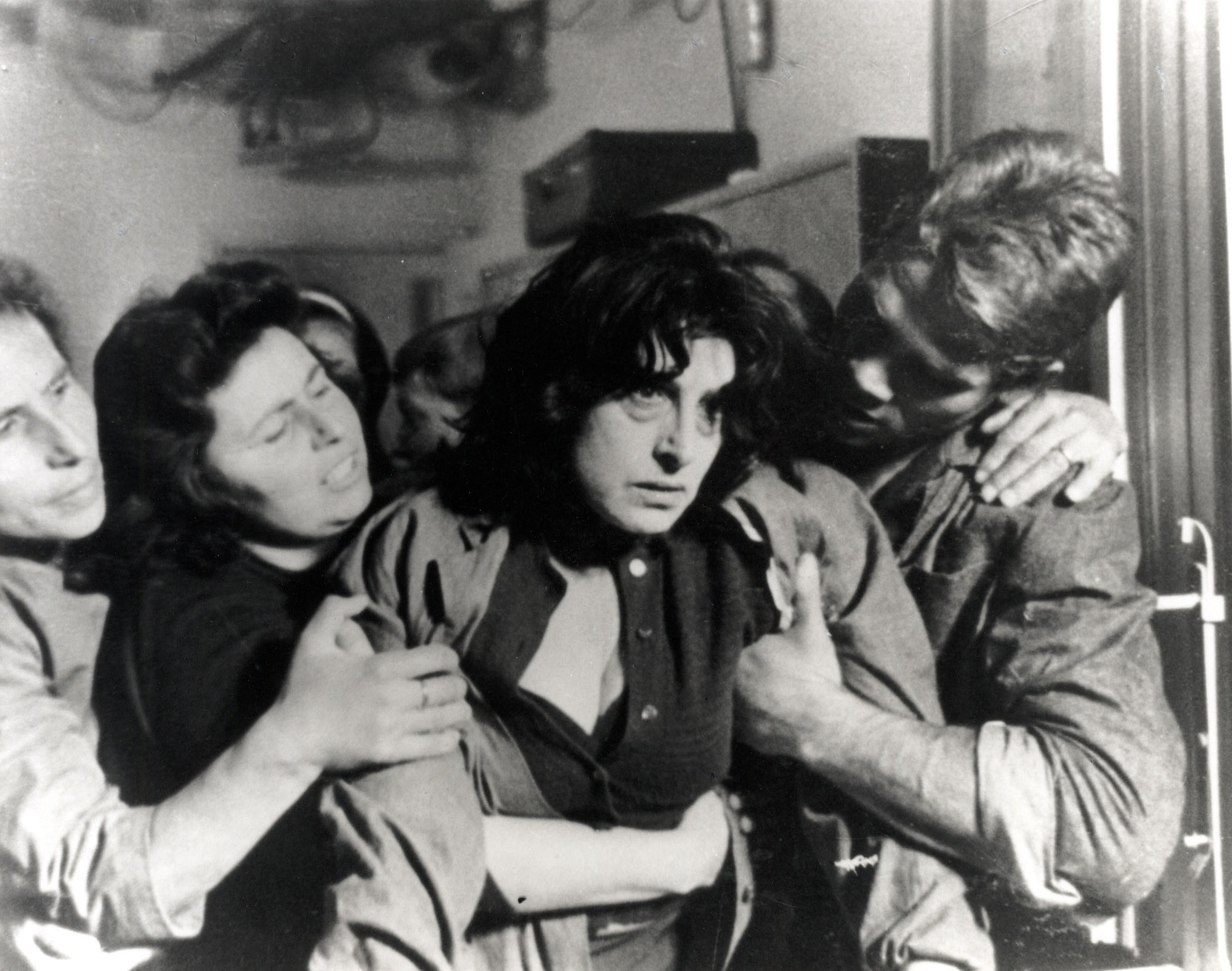
Mamma Roma wants to elevate herself and her son into the middle class, but the weight of her past and the harsh realities of her world keep dragging them down. Despite her fierce maternal love and resilience, her efforts to shield Ettore from her former life lead to tragedy.
Magnani is magnetic—fiery, proud, vulnerable—embodying a woman whose dreams are both noble and naive. Her face carries the anguish of a life hardened by survival, yet softened by love for her son. The film’s emotional depth is matched by its gritty visual realism. Pasolini uses long takes, desolate urban landscapes, and symbolic imagery to reflect both the physical and spiritual desolation of the characters.
Mamma Roma is more than a personal tragedy—it’s a powerful commentary on class, redemption, and the illusion of social mobility. It channels Catholic iconography and classical references to elevate the narrative to a kind of modern-day martyrdom. The ending is devastating but deeply human.
With poetic direction and unflinching honesty, Mamma Roma is a raw, compassionate film about the cost of dreams in an unforgiving world. It’s one of Pasolini’s most accessible and emotionally resonant works, and a stunning showcase for Anna Magnani’s immense talent.
