Cinema Paradiso (1988) is an Italian coming-of-age drama film directed by Giuseppe Tornatore. Widely regarded as a masterpiece of world cinema, the film is a nostalgic and heartfelt ode to the magic of movies and the power they have to shape our lives, relationships, and memories. The film won the Academy Award for Best Foreign Language Film and has become a beloved classic for its emotional depth, beautiful cinematography, and evocative score by composer Ennio Morricone.
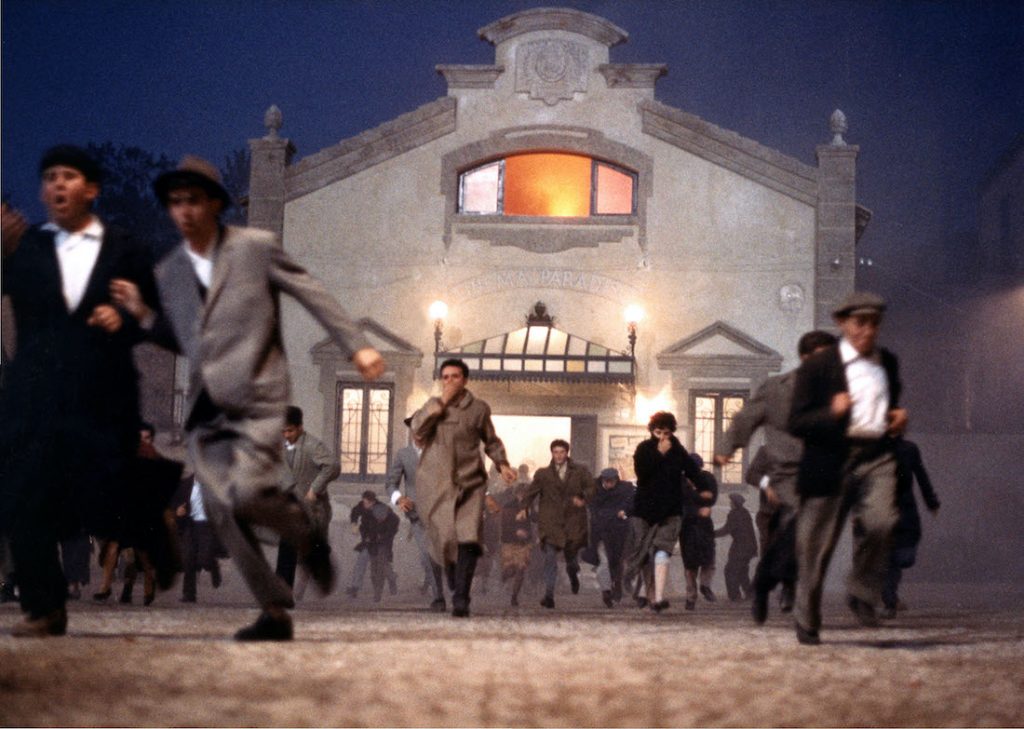
Set in a small Sicilian village, Cinema Paradiso tells the story of Salvatore “Toto” Di Vita (played by Salvatore Cascio as a child and Marco Leonardi as a young adult), a boy who grows up in the 1940s and 1950s in a community deeply influenced by cinema. His close relationship with the local movie theater’s projectionist, Alfredo (Philippe Noiret), is central to the film’s narrative. Alfredo becomes a father figure to Toto, teaching him about the art of film projection and inspiring his lifelong love of cinema.
The film is structured as a flashback, with an adult Toto, now a successful filmmaker living in Rome, returning to his village after receiving the news of Alfredo’s death. As he revisits the cinema and reflects on his past, Toto recalls his formative years, his romantic relationship with a young girl named Elena, and the deep connection he had with Alfredo, whose wisdom and mentorship shaped his career and his view of the world. As Toto remembers his youth, the story also reveals the transformation of the small cinema from a gathering place of the community to a fading symbol of the past.
At its heart, Cinema Paradiso is a film about the passing of time, the impact of cinema on the soul, and the bittersweet nature of growing up. It beautifully portrays the relationship between the young boy and his mentor, the love of film as a form of escape and expression, and the joy and sorrow that life brings. The film’s emotional finale, which features a montage of lost cinematic moments, is one of the most memorable and touching scenes in cinematic history.
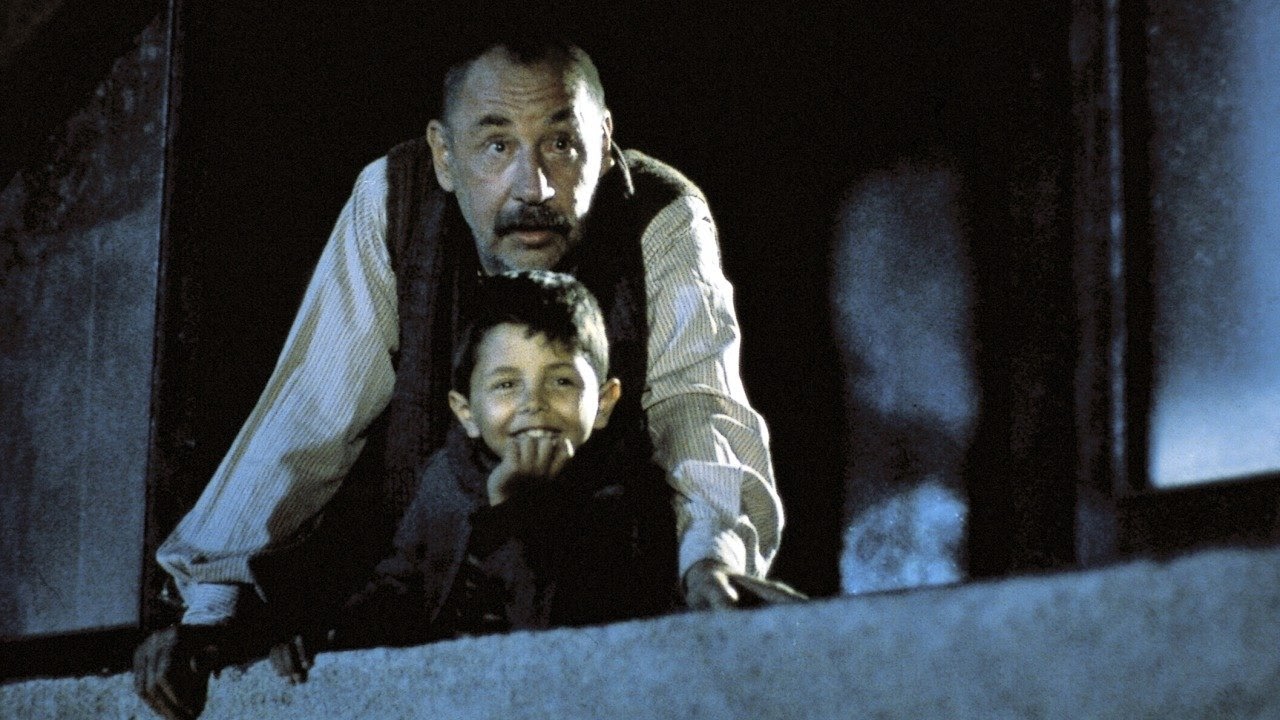
The film is a celebration of nostalgia and memory, highlighting the role of film as both a reflection of life and a means of personal connection. Cinema Paradiso is universally praised for its emotional resonance, its exploration of the human condition, and its ability to evoke deep feelings of love, loss, and longing. It remains a timeless tribute to the power of cinema to touch hearts and shape lives.
