Sam Raimi’s A Simple Plan (1998) is a haunting, snow-draped morality tale that examines the corrosive power of greed and guilt. Quietly devastating and meticulously constructed, it unfolds like a modern American tragedy—where good intentions unravel into horror, and innocence is slowly, almost tenderly, destroyed.

Set in a desolate, frozen Minnesota town, the film begins when three men—Hank (Bill Paxton), his slow-witted brother Jacob (Billy Bob Thornton), and their friend Lou (Brent Briscoe)—stumble upon a crashed plane in the woods containing a dead pilot and a duffel bag stuffed with $4.4 million in cash. They make a pact: hide the money, wait until the heat dies down, and then split it. But that “simple” plan becomes anything but, as lies pile up, paranoia creeps in, and violence becomes inevitable.
Bill Paxton delivers a compelling performance as Hank, the seemingly responsible one whose rationalizations become increasingly desperate. But it’s Billy Bob Thornton who gives the film its bruised heart—his portrayal of Jacob is heart-wrenching, layered with quiet longing and childlike vulnerability. Jacob’s moral compass, though simple, is often clearer than Hank’s calculated pragmatism.
Raimi, known for his more stylized work, takes a restrained and moody approach here. The snow-covered landscapes feel both starkly beautiful and suffocating, mirroring the isolation and creeping dread of the story. Danny Elfman’s score is eerie and understated, subtly underscoring the film’s slow descent into darkness.
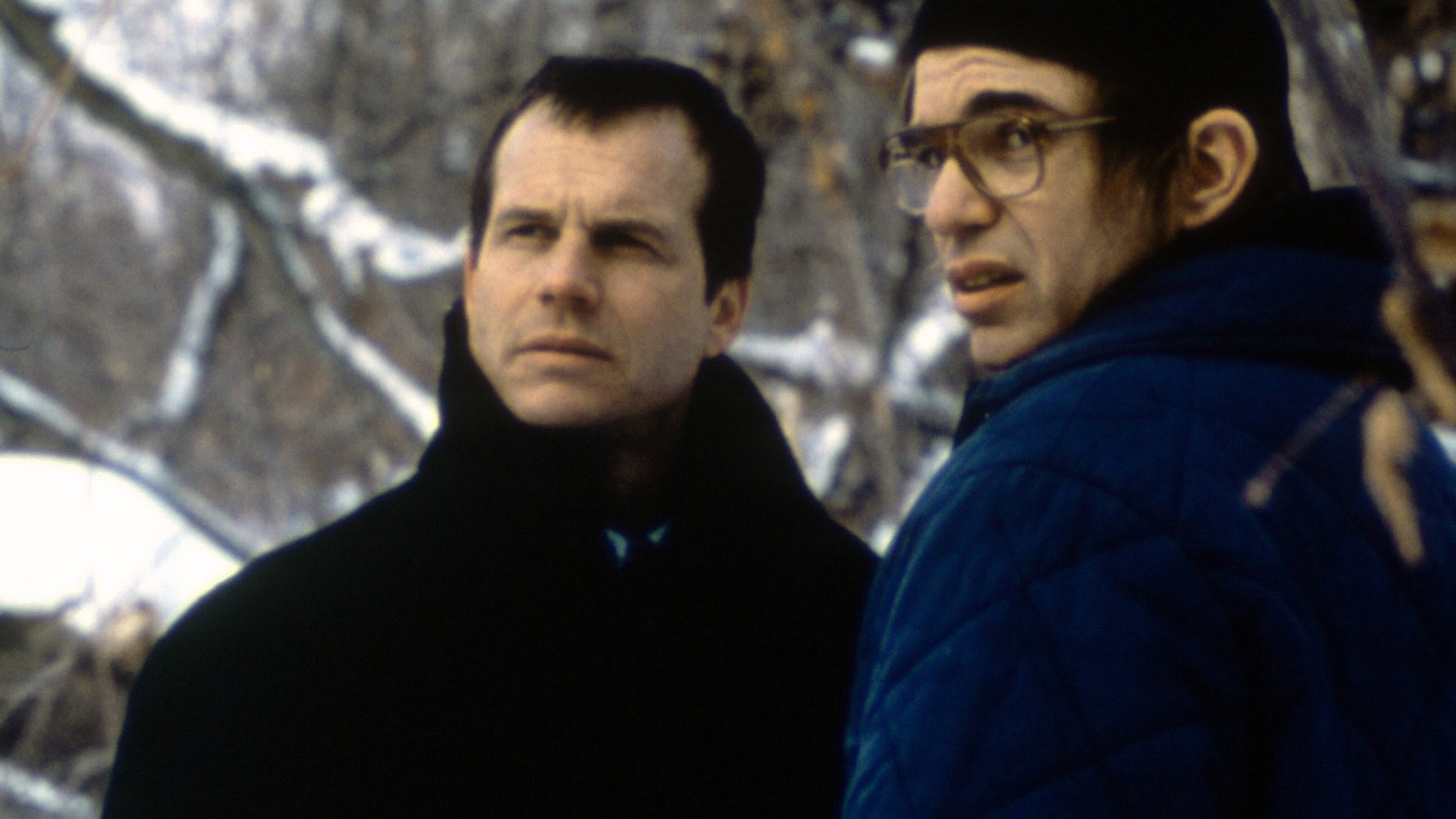
A Simple Plan* isn’t just about a crime gone wrong—it’s about how easily people justify the unthinkable when blinded by desperation. It captures the tragic irony of doing “just one bad thing” for the right reasons, only to lose everything that mattered in the process.
Bleak, intelligent, and deeply human, A Simple Plan is a chilling portrait of moral decay—and the cost of thinking you’re the exception.
