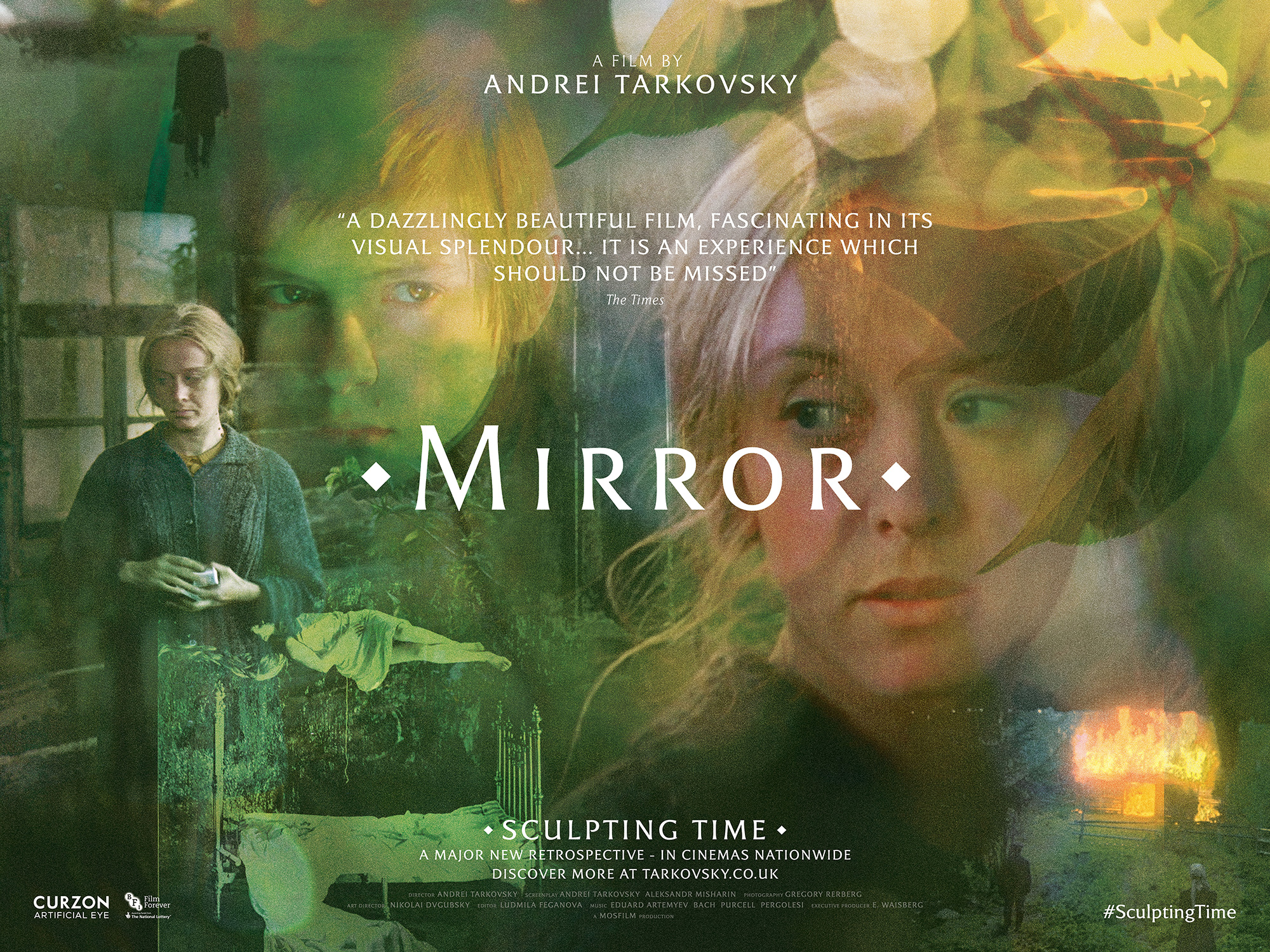
Mirror (Zerkalo) is not merely a film — it is a meditation, a poem in motion, a deeply personal stream of consciousness that resists traditional storytelling. Directed by the great Andrei Tarkovsky, it stands as one of the most enigmatic and emotionally powerful films in world cinema, exploring memory, time, identity, and the fragile fabric of existence.

There is no straightforward plot in Mirror. Instead, it weaves together fragments of a man’s memories — childhood, war, family, loss — as he lies dying. The narrator, never fully seen, reflects on his life through dreamlike images, voiceovers, and seemingly disconnected moments. The film blends the past and present, newsreel footage and poetry, color and black-and-white, all flowing like thought itself.
Tarkovsky draws on his own life — his mother’s image, his father’s poetry, his childhood home — making Mirror an autobiographical experience both specific and universal. Margarita Terekhova, haunting and luminous, plays dual roles as the narrator’s mother and wife, blurring generational boundaries. Her performance is ethereal, anchoring the film in a sense of yearning that transcends time.
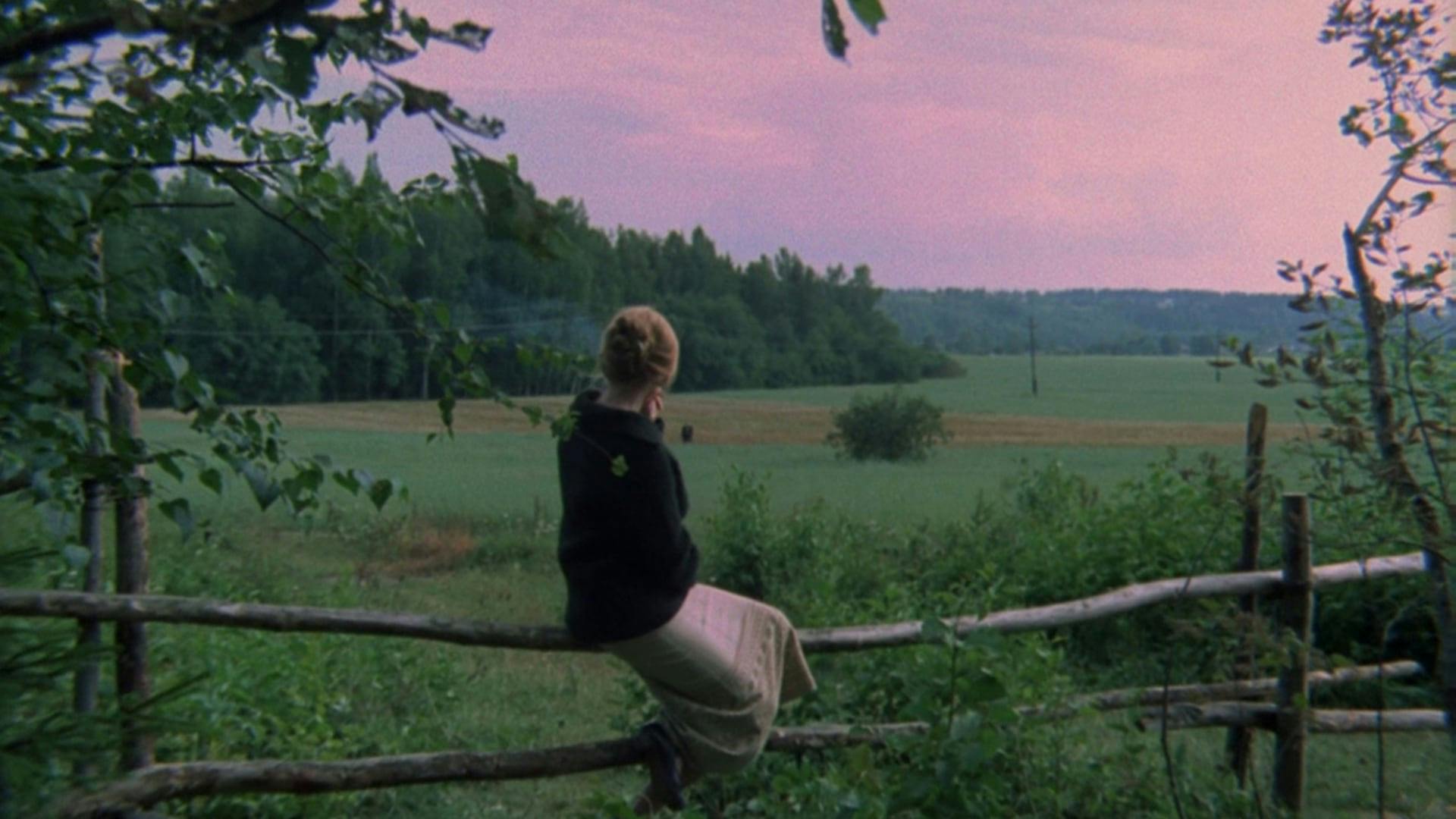
Visually, the film is transcendent. Cinematographer Georgy Rerberg captures nature, decay, and human faces with reverence and mystery. Long takes, slow movements, and sudden surreal flourishes — like a levitating woman or a barn ablaze in wind — infuse the film with spiritual weight. Eduard Artemyev’s ambient score and Arseny Tarkovsky’s poetry heighten the film’s hypnotic, meditative tone.
Mirror does not explain itself. It must be felt rather than understood. It asks the viewer to surrender logic and drift instead through the hazy, aching corridors of memory.
Profoundly intimate and cosmically vast, Mirror is not a film you watch once — it is one you live through, and return to, as one does to a dream or a lost home.
